
Conveyor sorting systems are automated material handling solutions designed to identify, transport, divert, classify, and organize products moving through manufacturing facilities, warehouses, distribution centers, airports, postal operations, retail fulfillment centers, and logistics hubs. By combining conveyor technology with sensors, industrial automation, machine vision, robotics, and intelligent control systems, these solutions improve the movement of goods while reducing manual handling.
Modern conveyor sorting systems are an important part of smart factories and automated logistics environments. They integrate Industrial Internet of Things (IIoT), artificial intelligence (AI), programmable logic controllers (PLCs), manufacturing execution systems (MES), warehouse management systems (WMS), and digital monitoring platforms to coordinate product flow in real time.
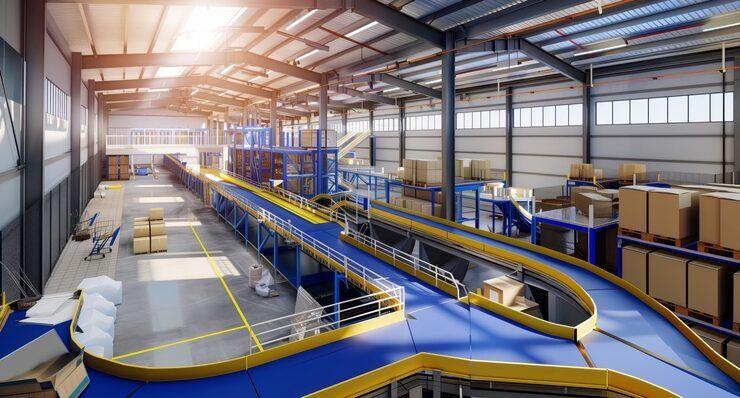
What Are Conveyor Sorting Systems?
A conveyor sorting system is an automated system that transports products on conveyor belts and directs them to predetermined destinations based on characteristics such as size, weight, barcode, RFID information, destination, color, shape, or production requirements.
These systems are widely used wherever large volumes of products must be sorted accurately and efficiently.
Typical system functions include:
- Product transportation
- Automated identification
- Product tracking
- Destination assignment
- Lane diversion
- Buffer management
- Order consolidation
- Real-time monitoring
Sorting decisions are controlled through software integrated with sensors and industrial controllers.
History of Conveyor Sorting Technology
Material handling systems have evolved from manually operated conveyors to highly automated intelligent systems.
Major developments include:
- Mechanical belt conveyors
- Roller conveyor systems
- Chain conveyors
- Pneumatic conveying
- Automated diverters
- Barcode scanning
- RFID tracking
- Machine vision inspection
- Robotic sorting
- AI-assisted automation
- Digital warehouse management
Today's facilities use fully integrated conveyor sorting systems capable of processing thousands of products within short operating cycles.
Types of Conveyor Sorting Systems
Different sorting technologies are designed for specific industrial applications.
Belt Conveyor Sorters
Belt conveyors transport products between production or storage areas while integrating sorting mechanisms.
Cross-Belt Sorters
Individual conveyor belts mounted on carriers move products sideways into designated discharge locations.
Sliding Shoe Sorters
Sliding shoes move across slats to gently divert products toward assigned conveyor lanes.
Tilt Tray Sorters
Products ride on trays that tilt automatically at programmed locations.
Pop-Up Wheel Sorters
Motorized wheels rise between conveyor rollers to redirect products.
Narrow Belt Sorters
Narrow belt systems transfer products at right angles using rotating belts.
Robotic Sorting Systems
Industrial robots identify and sort products using cameras, artificial intelligence, and advanced gripping technologies.
Spiral Conveyor Systems
Spiral conveyors transport products vertically between different building levels while maintaining continuous product flow.
Major Conveyor Components
A complete conveyor sorting system includes numerous mechanical and electronic components.
Common components include:
- Conveyor belts
- Roller conveyors
- Drive motors
- Gearboxes
- Bearings
- Support frames
- Sensors
- Barcode scanners
- RFID readers
- Machine vision cameras
- Diverters
- Pneumatic actuators
- Servo motors
- Industrial controllers
- Human-machine interfaces
- Safety guards
- Emergency stop systems
Each component contributes to reliable system operation.
Automation Technologies
Modern conveyor sorting systems integrate advanced automation technologies.
These include:
- Programmable Logic Controllers (PLC)
- Industrial robots
- Machine vision systems
- Artificial intelligence
- Industrial Internet of Things (IIoT)
- Automated guided vehicles (AGVs)
- Autonomous mobile robots (AMRs)
- Servo motion control
- Variable frequency drives (VFDs)
- Industrial communication networks
Automation enables continuous monitoring and coordinated material movement.
Material Handling Equipment
Conveyor sorting systems often operate alongside other material handling equipment.
Examples include:
- Pallet conveyors
- Chain conveyors
- Roller conveyors
- Overhead conveyors
- Vertical lifts
- Palletizers
- Depalletizers
- Robotic picking systems
- Automated storage and retrieval systems (AS/RS)
- Packaging machines
Integrated systems improve operational coordination throughout industrial facilities.
Manufacturing Technologies
Conveyor sorting equipment is produced using advanced industrial manufacturing processes.
Major manufacturing technologies include:
- CNC machining
- Fiber laser cutting
- Precision sheet metal fabrication
- Robotic welding
- Tube bending
- Powder coating
- Precision casting
- Injection molding
- Electrical assembly
- Automated testing
These technologies support accurate and consistent production.
Production Processes
The manufacturing process generally includes:
- System design
- Mechanical engineering
- Material preparation
- Structural fabrication
- Component machining
- Surface finishing
- Electrical assembly
- Software integration
- Factory testing
- Quality inspection
Every stage contributes to overall system reliability.
Raw Materials Used
Manufacturers commonly use:
- Carbon steel
- Stainless steel
- Aluminum alloys
- Engineering plastics
- Rubber conveyor belts
- Polyurethane
- Bearings
- Electric motors
- Servo drives
- Electronic components
- Optical sensors
- Industrial cables
- Pneumatic components
Material selection depends on product weight, operating environment, and application requirements.
Manufacturing Equipment
Production facilities utilize numerous industrial machines.
Typical equipment includes:
- CNC machining centers
- Laser cutting machines
- Robotic welding cells
- Press brakes
- Tube bending machines
- Powder coating systems
- Electrical assembly stations
- Conveyor testing equipment
- Coordinate measuring machines
- Automated inspection systems
Automation supports manufacturing consistency.
Quality Control and Testing
Conveyor sorting equipment undergoes comprehensive testing before installation.
Testing commonly includes:
- Dimensional inspection
- Weld inspection
- Load testing
- Conveyor speed verification
- Sensor calibration
- Barcode reading validation
- Machine vision testing
- Electrical safety testing
- Software verification
- Functional performance testing
Quality control helps ensure compliance with engineering specifications.
Importance
Why Conveyor Sorting Systems Matter
Industries that process large volumes of products require reliable methods for moving and organizing materials. Conveyor sorting systems automate repetitive handling activities, improve traceability, and support coordinated product movement throughout production and distribution operations.
Automation also improves consistency while reducing product congestion during peak operating periods.
Supporting Modern Manufacturing
Conveyor sorting systems support:
- Continuous production
- Warehouse automation
- Inventory movement
- Packaging operations
- Distribution logistics
- Manufacturing efficiency
- Product traceability
- Order fulfillment
These capabilities contribute to efficient industrial workflows.
Industrial Applications
Conveyor sorting systems are widely used across numerous industries.
Manufacturing
Factories sort components, finished products, packaging materials, and production batches throughout manufacturing operations.
Warehousing
Distribution centers automatically organize inventory for storage, order preparation, and shipment.
E-commerce
Retail fulfillment facilities sort thousands of parcels according to customer destinations.
Food Processing
Food production facilities sort packaged goods, containers, cartons, and finished products.
Pharmaceutical Manufacturing
Automated systems organize medicine packaging, labeling, inspection, and distribution operations.
Airport Baggage Handling
Airports use conveyor sorting systems to transport and direct baggage to appropriate aircraft loading areas.
Postal Operations
Mail processing facilities automatically identify and route letters and parcels based on destination information.
Global Manufacturers
Conveyor sorting systems are manufactured throughout North America, Europe, Asia-Pacific, the Middle East, Africa, and Latin America.
Global manufacturers produce:
- Conveyor modules
- Automated sorters
- Robotic handling systems
- Industrial conveyors
- Warehouse automation equipment
- Airport baggage systems
- Distribution automation equipment
Production ranges from standardized conveyor equipment to fully customized automated systems.
Global Suppliers
Global suppliers distribute conveyor sorting equipment for:
- Manufacturing facilities
- Warehouses
- Distribution centers
- Logistics companies
- Food processing plants
- Pharmaceutical facilities
- Airports
- Postal organizations
- Retail fulfillment operations
International logistics networks support equipment deployment across multiple industries.
Supply Chain
The conveyor equipment supply chain generally includes:
- Raw material sourcing
- Component manufacturing
- Mechanical fabrication
- Electrical assembly
- Software integration
- Factory acceptance testing
- Distribution centers
- Installation projects
- Industrial operations
Digital supply chain systems improve inventory management and production planning.
Pricing Factors
Equipment pricing may depend on:
- Conveyor length
- Sorting technology
- Automation level
- Material selection
- Software integration
- Sensor technology
- Production capacity
- Installation complexity
- Transportation
- International trade conditions
Pricing varies according to technical specifications.
Import and Export Market
Conveyor sorting equipment is widely traded internationally.
Frequently traded products include:
- Conveyor belts
- Roller conveyors
- Cross-belt sorters
- Sliding shoe sorters
- Barcode scanners
- Industrial sensors
- Machine vision systems
- Conveyor drives
- Automation controllers
International trade follows applicable engineering standards and customs regulations.
Environmental Sustainability
Manufacturers continue improving sustainability through:
- Energy-efficient drive systems
- Lightweight structural materials
- Recyclable metals
- Reduced manufacturing waste
- Long-life equipment design
- Efficient electric motors
- Intelligent power management
These practices contribute to responsible manufacturing.
Recycling in Conveyor Manufacturing
Many conveyor components can be recovered through recycling processes.
Examples include:
- Steel recovery
- Aluminum recycling
- Rubber recycling
- Plastic recycling
- Electronic component recovery
- Packaging material recycling
Material recovery supports circular manufacturing practices.
Smart Manufacturing (Industry 4.0)
Modern conveyor sorting systems increasingly incorporate Industry 4.0 technologies.
Examples include:
- Artificial intelligence
- Industrial Internet of Things (IIoT)
- Digital twins
- Predictive maintenance
- Machine learning
- Cloud monitoring
- Real-time analytics
- Automated diagnostics
- Manufacturing execution systems
- Warehouse management integration
Digital technologies improve operational visibility and equipment performance.
Future Trends
Current industry developments include:
- AI-powered sorting
- Autonomous robotic handling
- Advanced machine vision
- Digital warehouse automation
- High-speed parcel handling
- Smart predictive maintenance
- Energy-efficient conveyor systems
- Cloud-connected monitoring
- Intelligent routing algorithms
- Modular conveyor architectures
These developments continue advancing automated material handling technologies.
Frequently Asked Questions (FAQs)
What is a conveyor sorting system?
A conveyor sorting system is an automated material handling solution that transports and directs products to specific destinations using conveyors, sensors, controllers, and sorting mechanisms.
Which industries use conveyor sorting systems?
Manufacturing, warehousing, logistics, e-commerce, food processing, pharmaceutical production, airports, and postal operations commonly use conveyor sorting systems.
How do conveyor sorting systems work?
Products move along conveyors while sensors, barcode scanners, RFID readers, or machine vision systems identify each item. Industrial controllers then activate sorting mechanisms to direct products toward the correct destination.
What technologies are used in modern conveyor sorting systems?
Modern systems use programmable logic controllers, artificial intelligence, Industrial Internet of Things (IIoT), machine vision, robotics, predictive maintenance, digital twins, and warehouse management software.
What equipment is included in a conveyor sorting system?
Typical equipment includes conveyor belts, rollers, motors, sensors, barcode scanners, RFID readers, diverters, servo drives, industrial controllers, machine vision cameras, and safety systems.
Conclusion
Conveyor sorting systems are an essential part of modern material handling, combining automation technologies, precision manufacturing, intelligent software, and advanced mechanical engineering to manage product movement efficiently. Global manufacturers and suppliers continue developing innovative conveyor equipment using smart manufacturing technologies, digital monitoring, and Industry 4.0 integration. As manufacturing, logistics, and warehouse automation continue to expand, conveyor sorting systems remain fundamental to efficient industrial operations worldwide.