Predictive maintenance systems use digital technologies to monitor the condition of industrial equipment and identify potential maintenance needs before equipment performance is significantly affected. These systems collect operational information from machines, analyze patterns, and provide insights that help maintenance teams plan inspections and repairs based on equipment condition rather than fixed schedules.
Modern predictive maintenance combines AI monitoring technologies, condition monitoring solutions, Industrial Internet of Things (IIoT) devices, cloud computing, and industrial analytics. These technologies are widely used across manufacturing, energy, transportation, mining, oil and gas, utilities, and process industries to improve equipment visibility and support informed maintenance planning. As Industry 4.0 continues to expand, predictive maintenance has become an important part of connected manufacturing and industrial automation.
Context
What Are Predictive Maintenance Systems?
Predictive maintenance systems are digital platforms that continuously monitor industrial equipment using sensors, software, and data analysis tools. Instead of performing maintenance only after a fault occurs or following fixed maintenance intervals, these systems evaluate equipment condition using operational information.
Typical equipment monitored includes:
- Electric motors
- Pumps
- Compressors
- Gearboxes
- Industrial fans
- Conveyors
- Hydraulic systems
- Production machinery
- Robotics
By observing equipment performance over time, maintenance teams can better understand changes in operating conditions.
How AI Monitoring Technologies Work
AI monitoring technologies analyze large amounts of equipment information collected from connected devices.
The general process includes:
- Sensors collect operational information.
- Data is transmitted through industrial communication networks.
- Monitoring software organizes the information.
- Artificial intelligence analyzes operating patterns.
- Potential equipment changes are identified.
- Maintenance teams review the analysis before planning inspections.
Artificial intelligence supports data interpretation while maintenance decisions remain under human supervision.
Components of Condition Monitoring Solutions
Modern condition monitoring solutions include several connected technologies.
| Component | Primary Function | Industrial Application |
|---|---|---|
| Vibration Sensors | Detect mechanical movement | Rotating equipment |
| Temperature Sensors | Monitor heat levels | Motors and bearings |
| Pressure Sensors | Measure system pressure | Hydraulic and pneumatic equipment |
| Current Sensors | Monitor electrical performance | Electric motors |
| Edge Computing Devices | Process local information | Real-time monitoring |
| Analytics Software | Evaluate equipment condition | Maintenance planning |
Together, these components provide continuous visibility into equipment operation.
Types of Equipment Monitoring
Condition monitoring solutions can evaluate different operating parameters.
Common monitoring methods include:
- Vibration analysis
- Temperature monitoring
- Oil condition analysis
- Acoustic monitoring
- Electrical current analysis
- Pressure monitoring
- Speed monitoring
- Energy consumption analysis
Each method helps identify different equipment conditions.
Importance
Why Predictive Maintenance Matters
Industrial equipment often operates continuously for extended periods. Unexpected equipment interruptions may affect production schedules, maintenance planning, and operational efficiency.
Predictive maintenance systems provide ongoing information that helps maintenance personnel understand equipment condition before significant operational changes occur.
Supporting Industrial Reliability
AI monitoring technologies help organizations observe equipment performance across multiple production areas.
Common monitoring applications include:
- Production machinery
- Conveyor systems
- Pumps
- Compressors
- Cooling equipment
- Manufacturing robots
- Power distribution equipment
Continuous monitoring supports more informed maintenance planning.
Applications Across Industries
Predictive maintenance systems are widely used in numerous industrial sectors.
Manufacturing: Production facilities monitor machinery, automated equipment, and assembly systems to evaluate operating conditions.
Energy: Power generation facilities observe turbines, generators, transformers, and electrical infrastructure.
Mining: Heavy equipment such as crushers, conveyors, and excavation machinery are monitored for mechanical performance.
Oil and Gas: Pumps, compressors, pipelines, and rotating equipment are monitored using condition monitoring technologies.
Transportation: Railway systems, fleet equipment, and logistics infrastructure use predictive maintenance for equipment observation.
Benefits of Condition Monitoring Solutions
Condition monitoring technologies provide several operational advantages.
These include:
- Continuous equipment observation
- Improved maintenance planning
- Better operational visibility
- Historical equipment analysis
- Integration with industrial automation
- Centralized maintenance information
Actual results depend on equipment type, monitoring methods, and maintenance practices.
Recent Updates
Artificial Intelligence Enhancements
Between 2024 and 2026, artificial intelligence has become more capable of identifying operational patterns across industrial equipment. AI monitoring technologies now evaluate multiple sensor inputs simultaneously, improving equipment condition analysis.
These systems assist maintenance teams by organizing and interpreting complex operational information.
Expansion of Edge Computing
Edge computing has become increasingly common within predictive maintenance systems. Processing information close to industrial equipment reduces communication delays and supports faster analysis of machine conditions.
This approach is particularly useful in facilities with large numbers of connected devices.
Digital Twin Integration
Many manufacturers now combine predictive maintenance with digital twin technologies. Digital twins create virtual representations of physical equipment using real-time sensor information.
Maintenance teams can compare current operating conditions with historical performance to better understand equipment behavior.
Improved Wireless Monitoring
Wireless industrial sensors have become more reliable, allowing condition monitoring solutions to be installed on equipment where traditional wiring may be difficult.
Wireless communication also simplifies equipment expansion in existing manufacturing facilities.
Cybersecurity Improvements
As industrial monitoring systems become increasingly connected, organizations continue strengthening cybersecurity through secure communication protocols, authentication controls, encrypted information transfer, and network segmentation.
Laws or Policies
Workplace Safety Regulations
Industrial facilities generally follow workplace safety regulations covering machinery operation, maintenance procedures, electrical safety, and equipment inspection.
Predictive maintenance systems complement these procedures by providing additional operational information.
Data Protection Requirements
Connected monitoring platforms may collect operational information that organizations manage according to applicable data protection regulations and internal information management policies.
Specific requirements vary by country and industry.
Industrial Standards
Condition monitoring equipment often follows internationally recognized technical standards related to industrial communication, equipment interoperability, measurement accuracy, and monitoring system performance.
These standards improve compatibility between connected devices.
Environmental Management
Many industries include predictive maintenance within broader environmental management programs by monitoring equipment efficiency, energy usage, and operating conditions that may influence environmental performance.
Tools and Resources
Predictive Maintenance Software
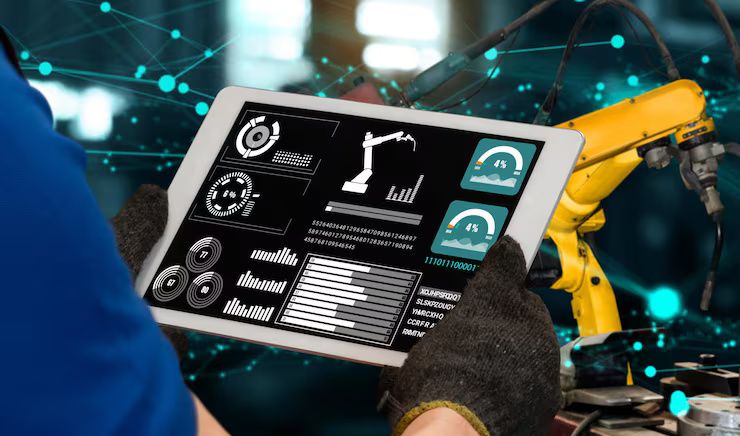
Predictive maintenance software collects equipment information, organizes maintenance records, and displays equipment condition through digital dashboards.
Typical software capabilities include:
- Equipment monitoring
- Maintenance scheduling
- Alarm management
- Historical reporting
- Asset documentation
Condition Monitoring Platforms
Condition monitoring platforms integrate information from multiple sensors and display equipment performance through centralized monitoring systems.
Industrial IoT Platforms
Industrial IoT platforms connect machines, sensors, and analytics software, enabling continuous equipment monitoring across manufacturing facilities.
Digital Twin Platforms
Digital twin software creates virtual equipment models that help engineers compare operating conditions with expected performance.
Educational Resources
People interested in predictive maintenance systems can learn from:
- Industrial automation organizations
- Reliability engineering publications
- Manufacturing technology journals
- Equipment maintenance associations
- International standards organizations
- Technical education platforms
These resources explain AI monitoring technologies, condition monitoring solutions, industrial maintenance strategies, and equipment diagnostics.
FAQs
What is a predictive maintenance system?
A predictive maintenance system monitors industrial equipment using sensors, software, and analytics to evaluate equipment condition and support maintenance planning.
How do AI monitoring technologies improve maintenance?
AI monitoring technologies analyze operational information, recognize equipment patterns, and help maintenance teams identify changes that may require further inspection.
What are condition monitoring solutions?
Condition monitoring solutions include sensors, monitoring software, communication networks, and analytics tools that continuously observe industrial equipment performance.
Which industries use predictive maintenance systems?
Predictive maintenance systems are widely used in manufacturing, mining, energy, transportation, oil and gas, utilities, food processing, and industrial automation.
What information do predictive maintenance systems monitor?
These systems commonly monitor vibration, temperature, pressure, electrical current, equipment speed, lubrication condition, and energy consumption to evaluate machine performance.
Conclusion
Predictive maintenance systems combine AI monitoring technologies, condition monitoring solutions, and connected industrial platforms to improve visibility into equipment operation. By continuously observing machinery through digital sensors and analytics, organizations can better understand equipment condition and support informed maintenance planning. As Industry 4.0 technologies continue evolving, predictive maintenance remains an important part of modern industrial automation, connected manufacturing, and intelligent asset management.