As part of construction heavy equipment, an asphalt mixing plant supports organized material preparation and consistent production for different infrastructure projects. Understanding plant types, operating methods, equipment requirements, and production capacity helps construction professionals evaluate suitable systems. Asphalt mixing plant manufacturers and suppliers provide different configurations according to project size, site conditions, and production requirements.
What Is an Asphalt Mixing Plant?
An asphalt mixing plant is an industrial facility that heats, processes, and combines aggregates with bitumen to produce asphalt mixtures. The finished material is transported to construction sites, where it is spread and compacted to form road surfaces.
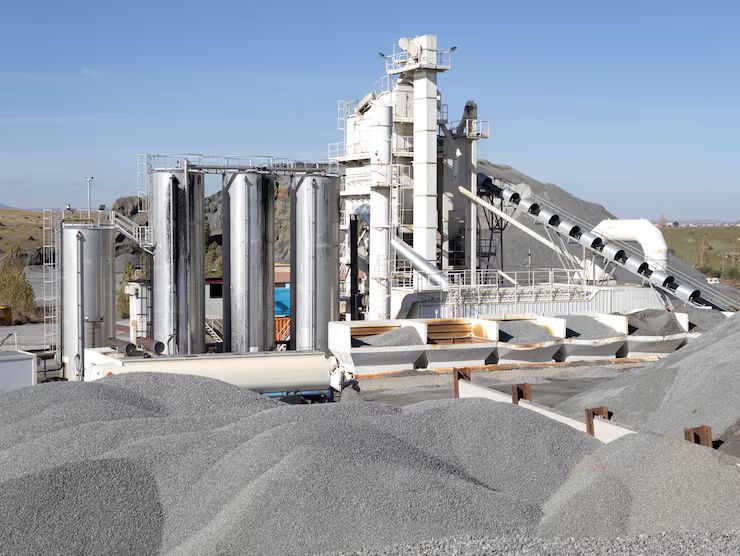
An asphalt production plant generally includes aggregate storage, heating equipment, mixing units, bitumen storage, material conveyors, and dust collection systems. Each section performs a specific function during production.
These plants are used in highway development, urban road construction, airport paving, industrial areas, and infrastructure maintenance projects.
Types of Asphalt Mixing Plants
Different plant configurations are designed to meet specific production requirements, transportation conditions, and project demands.
Asphalt Batch Mix Plant
An asphalt batch mix plant produces asphalt in separate batches. Aggregates are dried, heated, screened, and weighed before being combined with bitumen and other required materials.
Each batch follows a controlled mixing process, allowing operators to adjust material proportions according to the required mixture specifications. This configuration is commonly considered for projects requiring different asphalt formulations.
Asphalt Drum Mix Plant
An asphalt drum mix plant combines aggregate heating and mixing within a continuous drum system. Aggregates and bitumen are introduced according to the plant's operating arrangement, and the finished mixture is produced continuously.
This design is used for projects requiring ongoing asphalt production. Its operating process differs from batch systems because materials are processed continuously rather than in separate mixing cycles.
Hot Mix Asphalt Plant
A hot mix asphalt plant produces asphalt by heating aggregates and combining them with heated bitumen. Temperature control is important because the materials must reach suitable processing conditions for proper mixing and transportation.
Hot mix asphalt is commonly used for roads, highways, parking areas, and other paved surfaces.
Portable and Stationary Asphalt Mixing Plants
A portable asphalt mixing plant is designed to be transported between project locations. Its modular construction can help with relocation, although transportation, setup, and site preparation requirements still need consideration.
A stationary asphalt mixing plant is generally installed at a fixed location for longer-term production activities. It may be suitable for facilities supplying multiple nearby construction projects.
Main Equipment Used in Asphalt Production
An asphalt plant contains several interconnected machines that manage material storage, heating, measurement, mixing, and environmental control.
| Equipment | Main function |
|---|---|
| Aggregate feeder | Supplies aggregates in controlled quantities |
| Conveyor system | Moves materials between processing sections |
| Drying drum | Removes moisture and heats aggregates |
| Burner system | Provides heat for aggregate processing |
| Bitumen tank | Stores and heats bitumen |
| Mixing unit | Combines aggregates and bitumen |
| Dust collector | Captures dust from processing operations |
| Control system | Monitors and manages plant operations |
The design and capacity of asphalt plant equipment depend on the production method, material requirements, and plant configuration.
How Does an Asphalt Production Plant Work?
Asphalt production involves several stages that prepare raw materials and combine them into a usable mixture.
Aggregate Feeding and Drying
Aggregates are stored in separate bins according to their sizes. They are transferred through feeders and conveyors before entering the drying system, where moisture is removed and the material is heated.
Material Screening and Measurement
In batch plants, heated aggregates may pass through screening systems to separate different sizes. The required quantities are then measured according to the selected asphalt mixture design.
Bitumen Heating and Mixing
Bitumen is stored in heated tanks to maintain suitable handling conditions. It is then introduced into the mixing system, where it combines with prepared aggregates to form asphalt.
Storage and Transportation
The finished mixture may be transferred to storage silos before transportation. Insulated trucks are commonly used to maintain suitable material temperatures during delivery to construction locations.
Applications of Asphalt Mixing Plants
Asphalt plants support different infrastructure and construction activities.
Highway construction: Produces asphalt mixtures for road surfaces and major transportation routes.
Urban road development: Supplies materials for city roads, intersections, and residential streets.
Airport construction: Supports paving work on airport roads and selected paved surfaces.
Parking facilities: Produces asphalt for commercial, industrial, and public parking areas.
Road maintenance: Supplies mixtures used for resurfacing and infrastructure repair projects.
Road construction equipment suppliers may provide additional machinery, including pavers, rollers, loaders, and material transportation equipment.
Factors Affecting Asphalt Plant Price
Asphalt plant price varies according to technical specifications, production capacity, equipment configuration, and installation requirements. Different projects require different plant arrangements, so comparing systems involves more than considering the initial equipment expense.
Important factors include:
Production capacity: The quantity of asphalt the plant is designed to produce.
Plant configuration: Batch, drum, portable, or stationary arrangements.
Equipment specifications: Burner systems, mixers, feeders, and dust collectors.
Automation: Control systems and monitoring capabilities.
Installation requirements: Foundations, electrical connections, and site preparation.
Transportation: Equipment size, modular construction, and delivery arrangements.
The phrase asphalt mixing plant for sale is commonly used when researching available equipment, but technical specifications and operating requirements should be reviewed before evaluating different options.
Installation and Supplier Considerations
Asphalt mixing plant installation involves site preparation, equipment positioning, foundation work, electrical connections, material storage arrangements, and safety planning. Environmental requirements, dust collection, and operating permissions must also be considered according to local regulations.
Asphalt mixing plant suppliers and asphalt batching plant manufacturers may provide different equipment configurations and technical documentation. An asphalt plant OEM generally focuses on original equipment design and manufacturing, while asphalt mixing plant exporters handle equipment supply to international markets.
When evaluating asphalt plant machinery manufacturers, relevant considerations include production specifications, component documentation, installation support, maintenance requirements, and spare parts availability.
Maintenance and Environmental Considerations
Regular maintenance helps keep asphalt production equipment in suitable operating condition. Inspections commonly cover burners, conveyors, mixing components, bearings, filters, and bitumen heating systems.
Dust collection equipment helps control airborne particles generated during aggregate handling and drying. Proper fuel management, temperature monitoring, material handling, and equipment maintenance also contribute to responsible plant operation.
Frequently Asked Questions
What is the difference between batch and drum mix plants?
Batch plants produce asphalt in separate batches, while drum mix plants operate through a continuous production process.
What factors determine asphalt plant price?
Capacity, equipment configuration, automation, installation requirements, and transportation influence overall plant pricing.
What is a portable asphalt mixing plant?
It is a plant designed for transportation and relocation between suitable construction project locations.
What do asphalt mixing plant manufacturers produce?
They manufacture plant systems, including aggregate feeders, drying drums, burners, mixing units, storage systems, and control equipment.
How is a hot mix asphalt plant used?
It heats aggregates and combines them with bitumen to produce asphalt mixtures for paving applications.
Conclusion
Asphalt mixing plants are essential facilities for producing materials used in modern road construction and infrastructure development. Understanding batch and drum mix systems, plant equipment, production stages, installation requirements, and maintenance practices helps construction professionals evaluate suitable configurations. Careful consideration of technical specifications and project conditions supports informed equipment selection.