Heavy duty equipment manufacturers develop different machinery according to operational requirements, working environments, and industrial applications. Selecting suitable equipment requires understanding machine capacity, power systems, operating conditions, safety features, and maintenance needs. This guide explains the main equipment categories, their applications, manufacturing considerations, and factors to evaluate when choosing industrial machinery.
What Is Heavy Duty Equipment?
Heavy duty equipment refers to machines and mechanical systems designed to perform demanding industrial, construction, manufacturing, and material handling tasks. These machines are generally built with strong structural components, powerful drive systems, and specialized operating mechanisms.
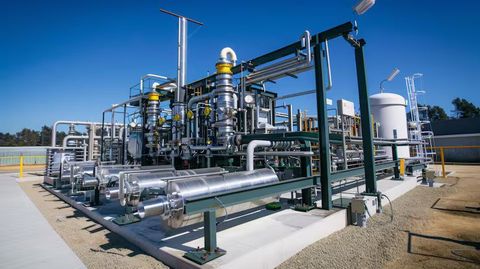
Industrial heavy duty machinery includes excavators, cranes, forklifts, loaders, hydraulic presses, industrial conveyors, and lifting platforms. Their designs vary according to load capacity, operating environment, movement requirements, and intended function.
Heavy equipment manufacturers produce machines for industries such as construction, mining, transportation, agriculture, manufacturing, and energy. Some equipment is manufactured as standard machinery, while other systems are developed according to specific project requirements.
Types of Heavy Duty Industrial Equipment
Different industries require specialized machinery to perform lifting, transportation, processing, and construction activities.
Heavy Duty Construction Equipment
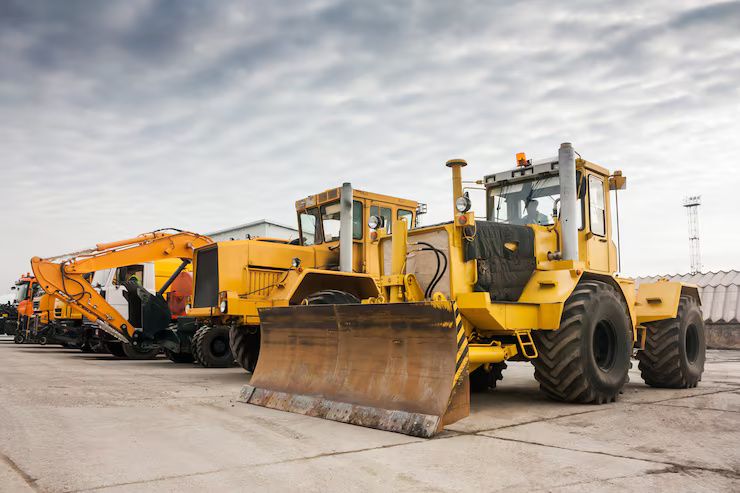
Heavy duty construction equipment is used for excavation, earthmoving, road development, demolition, and infrastructure projects. Common examples include:
Excavators: Used for digging, trenching, and moving soil.
Bulldozers: Push soil, rocks, and other materials across construction sites.
Wheel loaders: Collect and transport loose materials.
Motor graders: Level surfaces during road construction.
Dump trucks: Transport construction materials and excavated earth.
These machines are designed to operate under demanding conditions and require suitable maintenance to support safe operation.
Heavy Duty Material Handling Equipment
Heavy duty material handling equipment supports the movement, storage, and positioning of materials within factories, warehouses, ports, and distribution facilities.
Common examples include forklifts, industrial conveyors, pallet handling systems, overhead cranes, and automated lifting platforms. Their specifications depend on load weight, movement distance, lifting height, and workplace layout.
Heavy Duty Lifting Equipment
Heavy duty lifting equipment is designed to raise, lower, and position heavy objects. It is commonly used in construction, manufacturing, shipping, and industrial maintenance.
Examples include hydraulic lifting systems, gantry cranes, overhead cranes, hoists, and industrial jacks. Load capacity, lifting height, stability, and operating conditions are important selection factors.
Heavy Duty Hydraulic Equipment
Hydraulic equipment uses pressurized fluid to generate controlled mechanical force. It is widely used in industrial presses, excavators, lifting platforms, loaders, and manufacturing machinery.
Heavy duty hydraulic equipment generally includes hydraulic pumps, cylinders, valves, motors, hoses, and control systems. Regular inspection of fluid levels, seals, connections, and pressure conditions helps identify potential maintenance problems.
Heavy Duty Manufacturing Equipment
Heavy duty manufacturing equipment supports industrial production processes involving cutting, forming, shaping, pressing, and material processing.
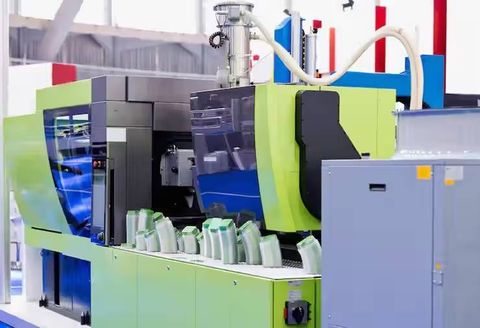
Examples include CNC machines, industrial presses, metalworking machines, large mixers, and automated production systems. Equipment selection depends on production volume, material properties, precision requirements, and manufacturing processes.
Features of Heavy Duty Industrial Machines
Industrial machines are designed with specific characteristics to manage demanding workloads and operating environments.
Important features include:
Structural strength: Strong frames and supporting components handle mechanical loads.
Load capacity: Rated limits define the weight machinery can safely handle.
Power systems: Electric, diesel, and hydraulic systems provide operating energy.
Operational controls: Control systems help operators manage machine movements and functions.
Safety mechanisms: Brakes, guards, alarms, and emergency stops support safe operation.
Maintenance accessibility: Accessible components make inspection and servicing easier.
The exact features depend on the machinery category and its intended industrial application.
Applications Across Different Industries
Heavy duty industrial equipment supports a wide range of commercial and industrial activities.
Construction and Infrastructure
Construction companies use excavators, bulldozers, cranes, loaders, and lifting platforms for building projects, road development, and infrastructure maintenance.
Manufacturing and Processing
Factories depend on industrial presses, conveyors, hydraulic systems, and heavy manufacturing machines to process materials and support production activities.
Mining and Energy
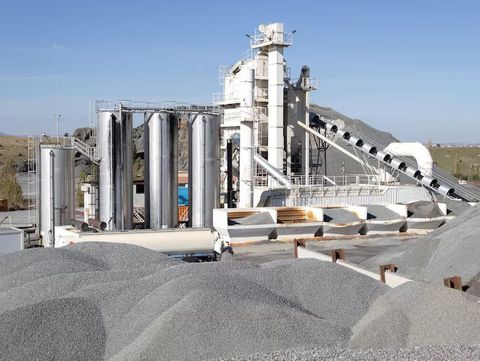
Mining operations use drilling machines, loaders, haul trucks, and crushing equipment. Energy facilities also require specialized lifting and material handling systems for equipment installation and maintenance.
Warehousing and Logistics
Warehouses use forklifts, pallet systems, industrial conveyors, and heavy lifting machinery to move goods and organize storage operations.
Comparing Common Heavy Duty Equipment
| Equipment type | Primary function | Common industry |
|---|---|---|
| Excavators | Digging and earthmoving | Construction |
| Forklifts | Material transportation | Warehousing |
| Industrial cranes | Heavy lifting | Manufacturing |
| Hydraulic presses | Material forming | Production |
| Bulldozers | Ground preparation | Construction |
| Industrial conveyors | Continuous transportation | Processing |
This comparison provides a general overview. Actual machine capabilities vary according to model, configuration, and manufacturer specifications.
How to Choose the Right Heavy Duty Equipment
Choosing suitable machinery requires evaluating operational requirements rather than considering equipment size alone.
Important factors include:
Application requirements: Identify the specific lifting, transportation, construction, or manufacturing task.
Load capacity: Check rated lifting and operating limits.
Working environment: Consider ground conditions, available space, temperature, and exposure to dust or moisture.
Power requirements: Evaluate fuel, electrical, or hydraulic operating systems.
Maintenance needs: Review inspection schedules, replacement components, and service requirements.
Safety standards: Check applicable operating regulations and manufacturer instructions.
Businesses evaluating industrial equipment for sale may compare technical specifications, operating costs, warranty conditions, and equipment history.
Manufacturers, Suppliers and Equipment Availability
Heavy duty equipment manufacturers produce machinery for different industrial applications. Heavy duty equipment suppliers and industrial equipment manufacturers may also provide accessories, replacement components, and technical documentation.
A heavy duty equipment OEM develops and manufactures equipment or components according to its original design specifications. Custom heavy duty equipment manufacturers may develop specialized machinery for applications that require particular dimensions, load capacities, or operating configurations.
Heavy equipment dealers, heavy equipment suppliers, and heavy equipment distributors may offer new or used machinery. Heavy duty machinery suppliers may also provide equipment rental arrangements for projects that require temporary machine access.
Before selecting equipment, buyers should review technical specifications, maintenance records, operating condition, and compatibility with their intended applications.
Maintenance and Operational Safety
Regular maintenance helps identify equipment wear, hydraulic leaks, damaged components, and mechanical problems. Maintenance activities should follow manufacturer instructions and applicable workplace safety requirements.
Common practices include:
Inspecting brakes, tires, structural frames, and lifting mechanisms.
Checking hydraulic hoses, fluid levels, and mechanical connections.
Monitoring unusual noise, vibration, and temperature changes.
Replacing worn components and spare parts when required.
Training operators in equipment-specific safety procedures.
Heavy duty equipment rental users should also review inspection records and operating instructions before using rented machinery.
Frequently Asked Questions
What is considered heavy duty equipment?
It includes machinery designed for demanding tasks such as lifting, excavation, manufacturing, material transportation, and industrial processing.
What are the main types of heavy duty industrial machinery?
Common categories include construction equipment, hydraulic machinery, lifting systems, manufacturing machines, and material handling equipment.
How do I choose heavy duty equipment suppliers?
Evaluate equipment specifications, machine condition, technical support, maintenance documentation, and suitability for the intended application.
What is custom heavy duty equipment?
It is specialized machinery designed or modified to meet particular operational, dimensional, or industrial requirements.
Is heavy duty equipment available for rental?
Yes. Heavy duty equipment rental arrangements are available for various construction, manufacturing, and material handling applications, depending on local availability.
Conclusion
Heavy duty equipment supports essential activities across construction, manufacturing, mining, logistics, and other industrial sectors. Understanding machinery types, operating features, applications, and maintenance requirements helps businesses make informed equipment decisions. Proper selection, regular inspection, and appropriate operator training contribute to safer and more reliable industrial operations.